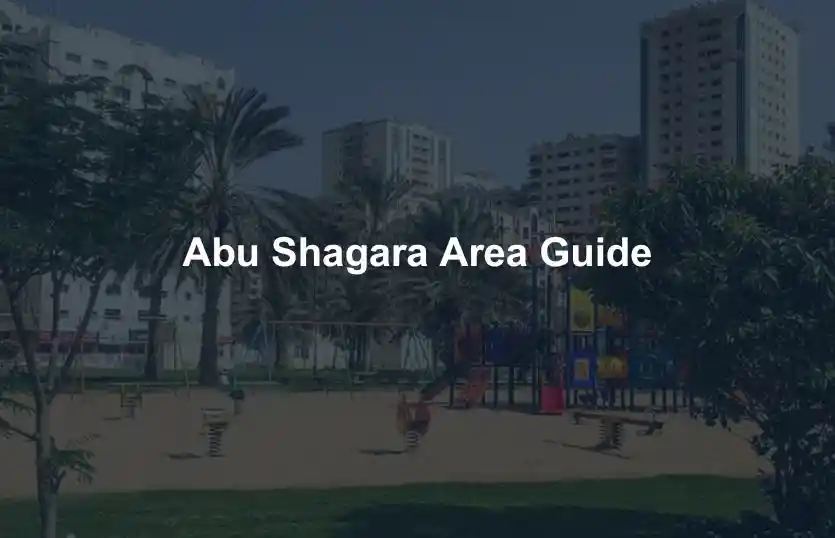
Abu Shagara Area Guide
Abu Shagara is an established, densely populated central district in Sharjah known for its strong community feel and exceptional walkability for daily needs. It offers affordable mid-rise apartments, proximity to cultural landmarks like the Blue Souq, and a vibrant, authentic urban atmosphere. The area is ideal for residents who prioritize immersion in local life, convenience, and value over modern luxury and tranquility.
What is Abu Shagara in Sharjah?
Abu Shagara is renowned for its authentic community vibe and unmatched daily walkability. Key identifiers include its dense network of local market streets, longstanding iconic local restaurants, and central location near major cultural sites and public hospitals like Al Qassimi Hospital.
Abu Shagara Property Market: Mid-Rise Apartments
The housing market centers on functional, mid-rise apartment buildings that offer strong value in a central location, appealing to a practical, community-focused demographic.
Primary Property Types Available:
- Mid-Rise Apartment Buildings: Typically 5 to 8-story buildings offering a wide range of 1, 2, and 3-bedroom functional units.
- Older Villa Compounds: Scattered pockets of 3-4 bedroom villas in shared compounds, offering ground-floor living.
- Modern Residential Complexes: Newer constructions with amenities like gyms and pools.
Market Insight & Resident Profile:
Local property data shows Abu Shagara is a stalwart of Sharjah's mid-range rental market with consistent demand. It attracts a diverse mix of middle-income expatriate and local families, university students, and professionals working in central Sharjah.
Daily Life and Walkable Convenience in Abu Shagara
The area’s design supports a car-light lifestyle for daily errands due to an unparalleled density of local businesses.
Shopping and Retail Access:
- Local Market Streets: Side streets are lined with specialized butchers, fishmongers, produce vendors, and tailors.
- Hypermarket Access: Lulu Hypermarket and Carrefour on Al Wahda Road are a 5-minute drive.
- Cultural Retail: The Central Souq (Blue Souq) for gold and textiles is a short drive away.
Dining and Cafés:
The food scene is legendary for authenticity and value.
- Iconic Local Eateries: Home to Sharjah's most famous longstanding restaurants for Levantine, Iraqi, and Iranian cuisine.
- Bakery and Cafe Culture: Numerous traditional bakeries for Arabic bread and casual social hubs.
- Extensive Delivery Coverage: All major food delivery apps provide comprehensive service.
Community Spaces, Culture, and Leisure
Leisure is culturally focused and community-based, with large parks a short drive away.
- Community Parks and Squares: Several small, well-used public parks and plazas.
- Cultural Proximity: Exceptionally close to the Sharjah Art Museum, Sharjah Museum of Islamic Civilization, and Al Majaz Waterfront.
- Corniche Access: The Sharjah Corniche for walking and cycling is easily accessible.
Schools, Healthcare, and Transportation Links
Education for Families:
The area is well-served by community-focused schools.
- Sharjah Indian School and The Philippine School Sharjah have campuses in or adjacent to the area.
- Sharjah English School (SES) in University City is a 10-15 minute commute.
- Proximity to University of Sharjah attracts students and staff.
Healthcare Access:
Major public hospitals are within the district.
- Al Qassimi Hospital and Kuwait Hospital (Sharjah) are located within Abu Shagara.
- A high concentration of private medical and dental clinics operates throughout.
Commuting and Connectivity:
- Exceptional Centrality: At the crossroads of major Sharjah roads.
- High Daily Walkability: Walking is the easiest option for errands and local dining.
- Major Road Links: Encircled by Al Wahda Road, Al Ittihad Road, and King Faisal Road.
- Peak-Hour Drive Times: Dubai (Deira) (~25-45 mins), Sharjah Airport (~10-15 mins), University City (~8-12 mins).
Pros and Cons of Living in Abu Shagara, Sharjah
The Advantages:
- Authentic Community Feel: A strong, diverse, and neighborly atmosphere.
- Superior Daily Walkability: Unbeatable access to shops, services, and dining on foot.
- Cultural & Commercial Proximity: Minutes from major museums, souqs, and hospitals.
- Strong Rental Value: Affordable rents for a highly central, connected location.
- Established Local Infrastructure: A mature network of tried-and-tested local businesses.
The Considerations:
- Chronic Traffic & Parking: Congestion on internal streets is common; parking is a significant challenge.
- Older Building Infrastructure: Many apartments are functional but lack modern amenities.
- Limited Large Green Spaces: Public parks are often small and functional, rather than expansive.
- Constant Urban Energy: A dense, bustling environment that is rarely quiet.
Frequently Asked Questions
1. Is Abu Shagara a walkable area in Sharjah?
Yes, Abu Shagara is one of Sharjah's most walkable districts for daily life. Residents can walk to local market streets for fresh produce, butchers, bakeries, pharmacies, and a wide variety of authentic local restaurants.
2. What is the average rent for an apartment in Abu Shagara?
Abu Shagara offers strong value for money in central Sharjah. Rents for 1- and 2-bedroom apartments are notably affordable compared to those in newer central developments. For current pricing, consult listings with Eplog offplan Properties.
3. What are the famous restaurants in Abu Shagara?
Abu Shagara is home to some of Sharjah's most iconic, longstanding restaurants, particularly known for authentic Levantine, Iraqi, and Iranian cuisine. These are often destination spots for residents across the emirate.
4. How is the traffic in Abu Shagara?
Traffic congestion on internal streets is a significant challenge due to high density and limited parking. While walkable for errands, driving and parking within the area can be difficult, especially during peak times.
5. Is Abu Shagara a good area for families?
Abu Shagara can be good for families who value community immersion and walkability. It offers local schools and a strong neighborhood feel. However, families should note the limited large green parks and the generally busy, noisy urban environment.