
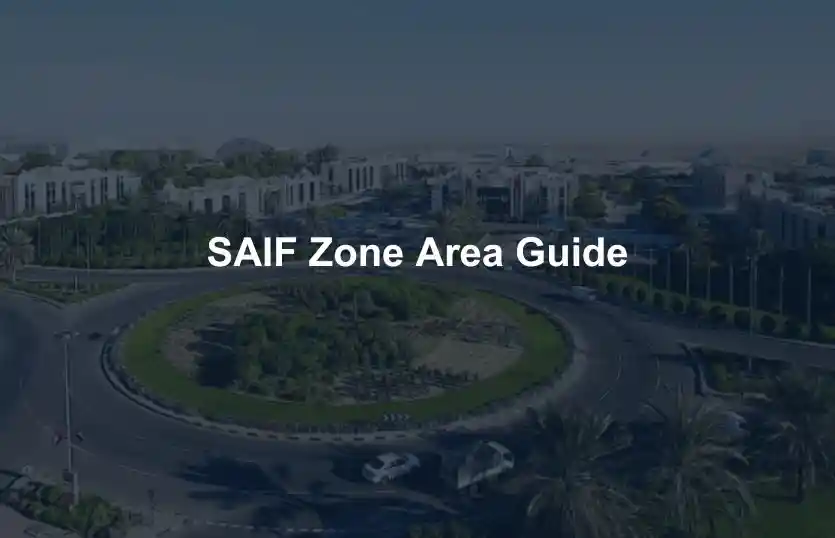
SAIF Zone Area Guide
The Sharjah Airport International Free Zone (SAIF Zone) is a major industrial and commercial free trade area adjacent to Sharjah International Airport. Established in 1995, it offers businesses 100% foreign ownership, tax exemptions, and direct air cargo access, making it a strategic hub for trading, manufacturing, and logistics companies targeting the GCC market.
Where is SAIF Zone Located?
SAIF Zone is situated directly adjacent to Sharjah International Airport (SHJ) in Sharjah, UAE. Its location provides immediate access to the airport's cargo terminal and major highway networks.
This includes Sheikh Mohammed Bin Zayed Road (E311) and Emirates Road (E611), connecting it to all other emirates and key seaports like Port Khalid, which is less than a 15-minute drive away.
What are the Key Benefits of Setting Up in SAIF Zone?
The free zone is designed to facilitate international trade and manufacturing with a powerful package of incentives.
Primary Business Advantages:
- 100% Foreign Ownership & Tax Exemptions: Full capital repatriation with no corporate or personal income taxes for 50 years.
- Unmatched Logistics Access: Direct tarmac access to Sharjah International Airport's cargo hub and proximity to Port Khalid for sea freight.
- Flexible Licensing: Licenses available for trading, manufacturing, service, and consultancy activities.
- Cost-Effective Facilities: Options range from flexi-desks and offices to large-scale warehouse and industrial plots.
What Types of Businesses Operate in SAIF Zone?
SAIF Zone hosts a diverse range of international and regional companies. The tenant mix is heavily geared towards trade and industry.
Common Business Types Include:
- Import/Export Trading Companies
- Light and Heavy Manufacturing Units (e.g., plastics, metals, food processing)
- Logistics & Freight Forwarding (3PL/4PL) companies
- Service Providers such as IT, marketing, and engineering consultancies
Daily Operations and Amenities for the Workforce
While purely a commercial zone, SAIF Zone has developed a supporting ecosystem for its large workforce.
On-Site Amenities:
- SAIF Zone Business Centre: A one-stop shop for government services, banking, and couriers.
- Dining: Numerous cafeterias and canteens provide affordable meals for employees.
- Banks: Multiple international and local banks have branches within the zone.
- Worker Accommodation: Integrated, regulated housing complexes for the operational workforce.
Residential Areas for Management:
- Employees typically live in surrounding districts, with commute times varying by role:
- Mid-Level Management: Often reside in Al Mahata, Al Yarmook, or Al Nahda (10-20 minute commute).
- Senior Executives: May choose communities in Al Zahia, Al Taawun, or even Dubai, accepting a longer commute.
Transportation and Logistics from SAIF Zone
Connectivity is the zone's core competitive advantage.
Logistics and Commute Times:
Air Cargo: Direct access to Sharjah International Airport's cargo terminal.
Road Commutes for Employees:
- To Dubai (Deira): 25-45 minutes
- To Central Sharjah: 10-20 minutes
- To Ajman: 10-15 minutes
- Port Access: Port Khalid is less than 15 minutes away for sea freight.
How to Set Up a Business in SAIF Zone
The setup process is streamlined but follows specific steps.
Key Setup Steps:
- Choose Business Activity: Define your license type (Trading, Industrial, Service, etc.).
- Select a Facility: Decide on a virtual office, physical office, warehouse, or industrial plot.
- Apply for License: Submit required documents through the SAIF Zone authority or an authorized agent.
- Visa Sponsorship: SAIF Zone provides employee visa quotas linked to your office space.
- Ongoing Compliance involves annual license renewal and adherence to UAE labor and immigration laws.
What are the Pros and Cons of SAIF Zone?
A factual analysis highlights its strategic value and limitations.
Advantages of SAIF Zone:
- Superior Logistics Hub: Unbeatable for businesses reliant on air and sea freight.
- Business-Friendly Regulations: 100% foreign ownership, tax benefits, and streamlined processes.
- Established, Mature Ecosystem: A reputable free zone with a 25+ year track record.
- Cost Competitiveness: Often more affordable than equivalent space in Dubai free zones.
- Strategic GCC Location: Ideal for companies targeting the wider Middle East and North Africa markets.
Disadvantages of SAIF Zone:
- Purely Commercial Environment: Zero lifestyle or residential amenities within the zone.
- Perimeter Traffic Congestion: Peak-hour traffic on access roads can be heavy.
- High Market Competition: Density of similar businesses in sectors like trading.
- Administrative Processes: While streamlined, setup and compliance still require navigation of official procedures.
Who is SAIF Zone Ideal For?
This free zone is a specialized strategic tool for specific business models.
SAIF Zone is the perfect base for:
- Import/export, manufacturing, or logistics companies requiring direct air and sea cargo access.
- Trading companies seeking a cost-effective free zone with excellent regional connectivity.
- Businesses that prioritize 100% ownership and long-term tax advantages.
- Operations with a significant workforce that can be accommodated in on-site or nearby housing.
SAIF Zone is likely not the best fit for:
- Consumer-facing retail businesses or companies that require high foot traffic.
- Businesses whose primary market is exclusively within Dubai and does not benefit from Sharjah's logistics.
- Companies seeking a free zone with extensive residential and lifestyle amenities integrated on-site.
For expert guidance on commercial property and business setup in Sharjah's free zones, consult the industrial and commercial specialists at Eplog Offplan Properties.
Frequently Asked Questions
1: What does SAIF Zone stand for?
SAIF Zone stands for Sharjah Airport International Free Zone. It is a major industrial and commercial free trade area located adjacent to Sharjah International Airport.
2: What are the main benefits of a SAIF Zone license?
The primary benefits include 100% foreign ownership of the company, full capital repatriation, exemption from corporate and income taxes for 50 years, and streamlined logistics due to direct airport access.
3: Can I get a visa if I set up a company in SAIF Zone?
Yes, SAIF Zone provides employee visa quotas. The number of visas you can sponsor is typically linked to the size of your office or warehouse space within the free zone.
4: How far is SAIF Zone from Dubai?
The drive from SAIF Zone to central Dubai (e.g., Deira) typically takes between 25 to 45 minutes, depending on traffic conditions on Sheikh Mohammed Bin Zayed Road (E311).
5: What types of business licenses are available?
SAIF Zone offers flexible license options covering Trading, Industrial/Manufacturing, Service, and Consultancy activities, allowing businesses to select the one that matches their core operation.