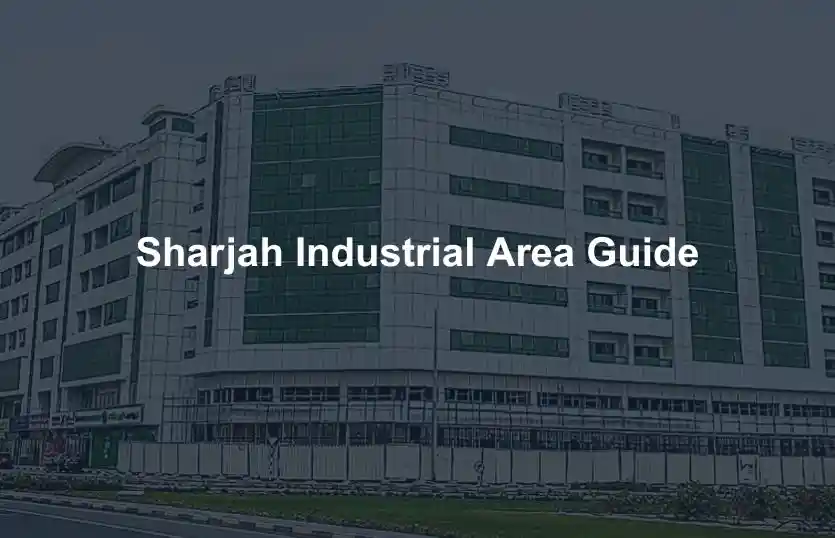
Sharjah Industrial Area Guide
The Sharjah Industrial Area (SIA) is a massive, planned industrial park that serves as the primary manufacturing and logistics hub of the emirate. It offers highly affordable workforce accommodation and direct highway access, but provides a utilitarian, work-focused environment with limited lifestyle amenities and recreational green spaces.
Where is the Sharjah Industrial Area Located?
The Sharjah Industrial Area (SIA) is a vast, organized grid of factories and warehouses in Sharjah, UAE. It is divided into numbered sectors (e.g., SIA-1, SIA-2) and is accessed via major highways.
These include Sheikh Mohammed Bin Zayed Road (E311) and Emirates Road (E611), providing direct links to ports and other emirates.
What Types of Housing are Available in the Sharjah Industrial Area?
Residential life is primarily tied to employment within the industrial zone, with housing designed for function.
Primary Residential Types:
- Labor Accommodation Complexes: Large, managed compounds housing hundreds or thousands of workers, often with on-site amenities.
- Mid-Rise Apartment Buildings: Located on the peripheries, offering 1-3 bedroom units for mid-level managers, engineers, and business owners.
- Older Villas and Townhouses: Found in bordering neighborhoods for senior staff and proprietors.
- The residential market is largely driven by companies leasing accommodation for their workforce.
Who Lives in the Sharjah Industrial Area?
The area hosts one of the UAE's densest expatriate workforce communities.
- Residents are primarily skilled and semi-skilled industrial workers, factory managers, logistics coordinators, engineers, and business owners. The population is multinational and directly tied to manufacturing, trade, and logistics sectors.
Daily Life and Amenities in the Industrial Area
Life is centered on work and essential services, with amenities for necessity rather than luxury.
Shopping for Essentials:
- Workforce Provision Stores: Small markets and canteens within the industrial sectors sell daily essentials.
- Major Retail Corridors: The edges along E311 feature large hypermarkets like Lulu and Carrefour, plus building material and vehicle showrooms.
- Muwaileh Commercial Hub: The adjacent Muwaileh area provides comprehensive retail, from electronics to textiles.
Dining and Food Scene:
The dining scene is diverse, authentic, and budget-friendly, reflecting the global workforce.
- Cafeterias and Budget Eateries: Thousands of small restaurants serve affordable Indian, Pakistani, Filipino, and Arabic cuisine.
- Compound Mess Halls: Many labor accommodations have large-scale catering facilities.
- Extensive Delivery Services: Delivery apps are widely used to access food from surrounding districts.
Education, Healthcare, and Recreation
Schools for Families:
- Children of managerial staff typically commute to schools in districts like Al Zahia or Muwaileh via school bus networks. The University of Sharjah and American University of Sharjah are within a 20-30 minute drive.
Healthcare Access:
Medical services are robust and high-volume.
- Dedicated Industrial Clinics: Several large medical centers are located within or on the periphery of the industrial zones.
- Major Hospitals: Zulekha Hospital Sharjah and Saudi German Hospital Sharjah are within reasonable driving distance for specialized care.
Recreation and Green Spaces:
The area is a working industrial zone with limited public recreation.
- Compound-Based Recreation: Modern labor cities may include indoor sports halls, cricket pitches, and gyms within their boundaries.
- Weekend Travel: Residents travel to parks and corniches in central Sharjah or Ajman for leisure.
- Cricket Culture: Makeshift cricket games in empty lots are a common weekend activity.
Transportation and Commuting from the Industrial Area
Connectivity is designed for logistics, but the area is car-dependent.
Driving and Commute Times:
- To Dubai (Jebel Ali/South): 30-50 minutes
- To Sharjah International Airport: 15-25 minutes
- To Ajman: 10-15 minutes
- To Central Sharjah (Al Majaz): 20-30 minutes
- Heavy Truck Traffic: Common during peak business hours, which can slow vehicle movement.
Public Transport:
- The area is not designed for public transit. A personal vehicle is an absolute necessity for mobility outside one's immediate compound or work sector.
What are the Pros and Cons of the Sharjah Industrial Area?
A factual analysis highlights the functional trade-offs.
Advantages:
- Central Economic & Logistics Hub: Unbeatable access for manufacturing, trade, and employment.
- Minimal Commute for Workforce: Employees often live within walking distance of their workplace.
- Extremely Affordable Living Costs: Some of the most competitive rents and low daily goods prices in Sharjah.
- Strategic Highway Connectivity: Direct, uncongested access to E311 and E611 for freight and travel.
- Strong Internal Communities: Labor compounds often foster tight-knit social bonds.
Disadvantages:
- Utilitarian Industrial Environment: Can be noisy, dusty, and lacks aesthetic appeal or green space.
- Severely Limited Lifestyle Amenities: Designed for work, not leisure, dining, or luxury retail.
- Absolute Car Dependency: No viable alternative to private vehicle ownership.
- Distance from Urban Centers: Far from the cultural and social hubs of downtown Sharjah and Dubai.
Who is the Sharjah Industrial Area Best Suited For?
This zone is a highly specialized, pragmatic choice for work-centric living.
The Industrial Area is an ideal base for:
- Business owners, managers, or workers employed within the industrial zone are seeking a near-zero commute.
- Individuals who prioritize extreme affordability and practical living above all lifestyle factors.
- Professionals in logistics, supply chain, or manufacturing who require direct highway access.
- Members of a large workforce community where compound life provides the necessary social structure.
The Industrial Area is not suitable for:
- Those seeking a typical residential experience with parks, cafes, and walkable amenities.
- Residents who prioritize aesthetic environment, quiet, and leisure activities.
- Anyone without consistent access to a private vehicle.
For strategic real estate advice related to commercial or workforce accommodation in the SIA, consult the industrial specialists at Eplog Offplan Properties.
Frequently Asked Questions
1: What types of housing are available in the Sharjah Industrial Area?
Housing is primarily functional: large Labor Accommodation Compounds for workers, mid-rise apartments on the peripheries for managers and engineers, and some older villas in bordering neighborhoods for senior staff.
2: Is the Sharjah Industrial Area a good place to live for families?
It is a pragmatic choice for families where the primary earner works within the zone, as it minimizes commute time and cost. However, it lacks family-centric amenities like parks, and children typically commute to schools in other districts via bus.
3: How is the commute from the Industrial Area to Dubai?
The drive to Dubai, particularly the Jebel Ali or southern areas, typically takes between 30 to 50 minutes using Sheikh Mohammed Bin Zayed Road (E311), depending on traffic.
4: Are there supermarkets and restaurants in the area?
Yes, but they are utilitarian. Large hypermarkets like Lulu are on the main highway edges, and thousands of small, budget-friendly cafeterias serve the workforce. The adjacent Muwaileh area offers more comprehensive retail and dining.
5: What is the biggest disadvantage of living in the Sharjah Industrial Area?
The primary disadvantage is the lack of lifestyle and leisure amenities. The environment is purely functional, work-focused, and car-dependent, with limited options for recreation, fine dining, or socializing outside of compound communities.